 Insurance company LV= have scrapped its upper age limit, allowing elderly motorists to continue to drive as long as they are able.
Get a FREE, Local Repair Quote Today! →


Monday to Friday, 9am to 6pm
Posts Tagged ‘motor insurance’
Age Limit Scrapped For Motor Insurance
PM Promises To Cut Number Of Fake Whiplash Claims
 The government are to tighten the rules surrounding car insurance claims in a bid to cut down the number of whiplash claims that are being made, forcing premiums to rise.
Number Of People Lying On Motor Insurance Applications Falls
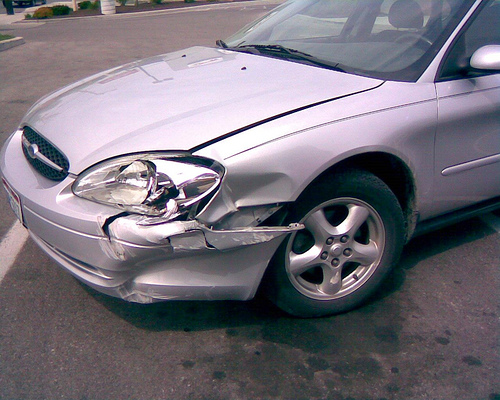 According to a recent survey motorists are being more up front with the truth regarding their motoring insurance. Read on…
Sainsbury’s Take On Tesco In Car Insurance War
 Sainsbury’s will tomorrow relaunch its motor insurance business in direct competition with Tesco to open up a new front in the fierce high Street battle for customers.
The Sainsbury’s deal, in partnership with RBS Insurance, promises to give customers a saving of about 15% on premiums in the form of Nectar loyalty card points. Shoppers will also be able to earn loyalty points equal to one per cent off their bills for the next two years. The deals come with average motor insurance premiums estimated to have risen by about 30% to £815 in the past year in the UK.
Tesco is believed to be approaching 5% of the entire British motor insurance market, as supermarkets turn to financial services in a bitter struggle for profits. The retail giant believes it can use its powerful brand names to convince consumers to switch from other providers, such as tarnished high street banks.
Until now Sainsbury’s has provided motor insurance via esure but Ben Tyte, the supermarket’s head of motor insurance, said the company wanted to expand and ‘make a significant impact on the market.’
Tyte said that the use of the Nectar card to reward those purchasing insurance was designed to increase customer loyalty. Sainsbury’s insurance business is understood to have increased new business by about a quarter in the past year and to have reported pretax profits of £30m. Clearly, though, despite major growth in insurance lines such as pets and home, Sainsbury’s feel that they are being eclipsed by Tesco in the area of financial services.
Tesco recently bought out RBS from a joint financial services venture that it now runs singlehanded, and it plans to begin offering current accounts and mortgage lending. In addition, Tesco’s share of the motor insurance market seems destined to grow following the recent launch of its online second-hand car dealership.
With price competition in their mainstream business fiercer than ever due to the continued rise of global commodity prices, supermarkets are desperate to keep customers loyal. Research by Sainsbury’s has shown that shoppers who buy a financial product from the company typically spend more in store.
Reliant Robin Drivers Are Among The Safest In Britain Says New Survey
 A new survey recently conducted on Reliant Robin owners stated that they were among the safest drivers in the UK. The survey conducted by comparison website confused.com published statistics stating that one in a hundred Reliant Robin drivers have been involved in a road traffic collision over in the last five years, putting them top of the league on the website. Lexus drivers are more likely to have an accident with figures showing that they are ten times more likely to be involved in a road traffic accident than their Reliant Robin counterparts.
The information released was in reference to over seven million motor insurance quotes over the past year. They analysed half a million insurance claims made by drivers who have had an accident. Just 0.9% of Reliant Robin drivers had claimed crash damage over the past twelve months. Gareth Kloet of confused.com said “A Reliant Robin is a niche car now. People who own one look after them and know how to handle a three wheeler. Most are members of specialist clubs devoted to the model and only drive them on special occasions.”
The statistics indicated some other surprising results with Ferraris, Lamborghinis, Aston Martins and Bentleys among the ten cars with the fewest accident claims. At the other end Lexus were joined by Honda, Chrysler, Toyota and Mazda. After the statistics were released spokes people from Honda and Lexus stated that their cars were as safe as any other model on the market currently.
Reliant three wheelers were originally adopted motorcycle trikes with a van style body design, which first hit the market in 1935.